REQUEST INFORMATION

Heavy Equipment battery charger and Electric Excavator
systems

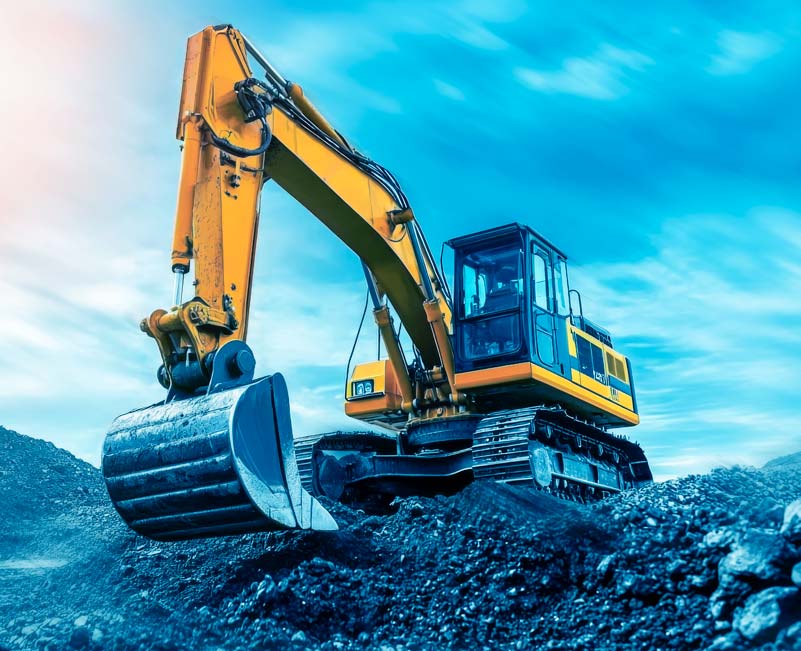
Electric earthmoving machinery and construction equipment are becoming increasingly prevalent on jobsites where emissions, noise, and energy efficiency are operational priorities. Common applications include electric excavators, mini excavators, and Mobile Elevated Work Platforms (MEWPs) such as scissor lifts and boom lifts, as well as compact wheel loaders, site dumpers, and telehandlers used in urban or indoor environments.

GEBAT designs and manufactures construction equipment battery chargers specifically engineered for intensive duty cycles and vehicle fleet electrification scenarios.

On the jobsite, the charging infrastructure directly impacts machine availability, site logistics, and battery lifespan. These systems must operate reliably in outdoor environments, adapting to temporary power grids and variable work schedules.
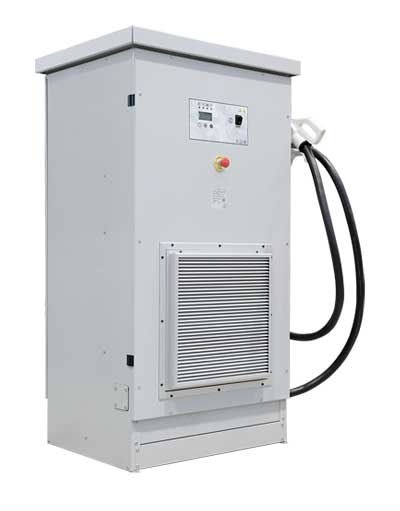
Charging requirements in construction machinery operations

Construction fleets operate with irregular duty cycles, constantly changing work areas, and limited downtime. Charging systems must therefore support both scheduled overnight charging and rapid energy recovery between operational cycles.

Energy requirements vary significantly by machine type. Compact units can recharge during planned breaks, while aerial platforms often require opportunity charging to sustain repeated lifting cycles. Larger heavy equipment battery charger applications demand higher power levels and predictable charging availability.

Operational constraints on construction sites

Jobsites impose environmental and infrastructural conditions that influence the design of battery chargers for excavators and other earthmoving machinery:

  • Outdoor exposure to dust, moisture, and extreme temperature fluctuations.
  • Limited power capacity of temporary site electrical infrastructures.
  • Irregular charging windows between machine duty cycles.
  • Frequent relocation of machinery across different project areas.
  • Mixed fleets with diverse battery chemistries and unpredictable workloads.

Electrical requirements

Temporary power grids, generators, and variable loads can affect the performance of a heavy equipment battery charger.

Key electrical factors include:

  • Stable DC current delivery to protect high-capacity batteries.
  • Controlled ripple levels to reduce battery thermal stress.
  • High power factor to limit the impact on the local electrical grid.
  • Protection against AC grid disturbances typical of temporary installations.

BMS and CANBUS integration

Modern Battery Management Systems (BMS) monitor temperature, charge limits, and safety conditions.
Industrial chargers must integrate with the BMS communication systems, typically via CANBUS interface, enabling:

  • Adaptive charging profiles based on real-time battery status.
  • Safe operation across different battery chemistries.
  • Extended battery life through controlled, intelligent charging strategies.

Multi-vehicle charging infrastructure

Construction projects often involve multiple machines operating simultaneously while available electrical power is limited.

The construction equipment battery chargers infrastructure must support:

  • Simultaneous charging of multiple earthmoving machines.
  • Load balancing across different charger units.
  • Charging schedules based on operational shifts.
  • Distributed charging points across the jobsite.

Common batteries in electric earthmoving machinery

GROUP 1


Compact earthmoving machinery

Includes mini excavator battery charger applications and compact equipment for confined spaces.

These typically utilize 48 V battery systems.

GROUP 2


Mobile Elevated Work Platforms (MEWP / AWP)

AWP chargers and MEWP chargers serve one of the primary categories of electric machinery on site. Compact scissor lifts often use 24 V batteries, while larger boom lifts generally operate with 48V systems. These machines frequently rely on boom lift battery charger units for opportunity charging to maintain productivity.

GROUP 3


Large-scale construction machinery

Larger electric excavators and loaders utilize high-voltage batteries (600 V–700 V) to store massive amounts of energy and support high-power DC fast charging.

Charging technologies for electric earthmoving machinery

High-Frequency (HF) Chargers offer high efficiency and compact footprints, ideal for distributed construction equipment battery chargers points.

DC Fast Charging stations enable rapid energy recovery for machinery operating on multiple shifts or with very limited downtime.

Jobsite systems must support different battery chemistries and integrate with various BMS protocols, to ensure long-term reliability for any battery charger for excavator or skid steer.

Jobsite charging architectures

Centralized charging areas

A dedicated zone for end-of-shift charging that simplifies electrical distribution.

Distributed charging points

Multiple chargers spread across the site to reduce machine travel and allow for opportunity charging.

Temporary charging infrastructure

Easily relocatable systems designed to adapt to the ever-changing layout of a construction project.

GEBAT products for construction and earthmoving

Technical FAQ

How do I size the charging infrastructure for an electric earthmoving fleet?
Sizing starts with an analysis of duty cycles, battery capacities, and available charging windows. The site’s available power determines how many heavy equipment battery charger units can run simultaneously.
What are the main challenges when installing charging systems on jobsites?
Challenges include temporary electrical grids, weather exposure, and frequent machinery movement. Systems must be rugged, flexible, and easily transportable.
How important is BMS communication in electric construction machinery?
Critical. It allows the construction equipment battery charger to adjust parameters based on temperature and State of Charge (SoC), protecting the battery and ensuring reliable fleet operation.
Can multiple machines be charged simultaneously?
Yes. GEBAT systems intelligently distribute power across multiple chargers, balancing the load and respecting set priorities to avoid grid overloads.

For more information,
fill out the form.

    I declare I have read the privacy policy.

    * Required field