REQUEST INFORMATION

Electric Agriculture Machinery and Tractor chargers

GEBAT designs and manufactures agricultural equipment battery chargers and charging infrastructures for a wide range of electric farm vehicles, including electric tractors, vineyard tractors, ag-robots, and utility vehicles.

Electric tractors represent one of the most significant applications in the electrification of farming machinery. They are increasingly deployed in vineyards, orchards, greenhouses, and livestock farms where low emissions, noise reduction, and high energy efficiency are operational priorities.

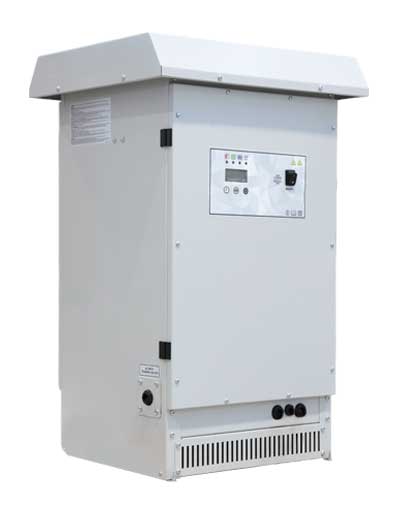
A reliable electric farm equipment charging station is essential to support these machines during daily operations. Charging systems for the agricultural sector must operate in outdoor environments, support diverse battery technologies, and enable the efficient management of multi-machine fleets.
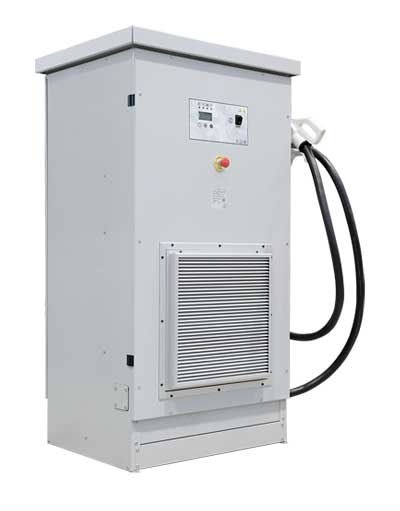
Charging requirements in agricultural operations

Electric agricultural machinery operates in environments characterized by exposure to weathering, seasonal work cycles, and variable energy demands.

During peak periods, such as harvesting or vintage, machines may work for many consecutive hours.
The charging infrastructure must therefore support both overnight cycles and intermediate electric tractor charger sessions when vehicles return to the farm between tasks.

Battery capacity varies significantly by machine type. While autonomous weeding robots and compact utility vehicles generally use smaller battery packs, electric tractors and larger machinery require high-capacity energy storage systems.
GEBAT infrastructures support these diverse battery platforms while maintaining stable and reliable charging performance.

Operational constraints

Charging infrastructures in the agricultural sector must face several specific operational conditions:

  • Outdoor installations exposed to dust, rain, and temperature fluctuations.
  • Machinery distributed across vast farming areas.
  • Seasonal peaks in equipment utilization.
  • Limited charging windows between work cycles.
  • Electrical infrastructures often located in remote rural contexts.

GEBAT systems guarantee operational reliability even in these demanding environmental conditions, providing a robust weatherproof agricultural charger solution.

Electrical performance and stability

Industrial battery charging requires stable DC current and controlled electrical characteristics to protect battery systems.

Low-ripple current and stable charging profiles help limit battery overheating and extend operational life.

A high power factor and controlled harmonic distortion are also critical to ensure compatibility with farm electrical grids and distributed energy systems (such as solar arrays).

Our systems maintain stable performance even with supply voltage variations, a common occurrence in isolated rural installations.

BMS and CANBUS integration

Modern electric farm machinery, powered by Lithium batteries, is generally equipped with a Battery Management System (BMS) to monitor voltage, temperature, and State of Charge (SoC).

Our industrial chargers communicate with these systems via CANBUS interfaces, allowing the electric agriculture machinery charger to adapt the charging profile to the specific battery characteristics.

This integration enables safe and efficient fast charging for electric tractors, optimized charging profiles for different battery chemistries, complete fleet management and predictive maintenance.

Multi-vehicle charging infrastructure

Modern farms often operate multiple electric machines simultaneously, including tractors, ag-robots, and service vehicles.

The infrastructure must support simultaneous multi-vehicle charging and smart fleet energy management strategies, including:

  • Charging priority for critical mission equipment.
  • Scheduling charging during off-peak energy hours.
  • Power peak shaving to avoid grid overloads.

These features allow for the seamless electrification of agricultural fleets without overstressing the existing rural electrical infrastructure.

Typical battery platforms in electric farming

GROUP 1


Light agricultural equipment

Typical machines:

  • Autonomous ag-robots.
  • Weeding robots.
  • Farm utility vehicles (UTV).

Battery platforms: 24 V, 48 V, 72 V, and 80 V.

These machines often utilize opportunity charging during operational pauses.

GROUP 2


Medium-sized agricultural machinery

Typical machines:

  • Compact electric tractors.
  • Electric grape harvesters.
  • Telehandlers.

Battery platforms: 80 V – 96 V.

Cycles often combine overnight charging with intermediate fast sessions.

GROUP 3


Heavy-duty agricultural machinery

Typical machines:

  • Large electric tractors.
  • Heavy-duty telehandlers.
  • High-power intensive processing machinery.

Battery platforms: High-capacity systems with DC voltages reaching several hundred volts.

These require high-power off-highway electric vehicle charging stations to minimize downtime.

Agricultural charging technologies

GEBAT provides a range of solutions tailored to the farming environment:

  • High-Frequency (HF) Chargers.
    Offer superior energy efficiency and stable profiles for daily fleet management.
  • Fast Charging Systems.
    Enable rapid energy recovery for electric tractors and harvesters between work cycles.
  • Outdoor Charging Stations.
    Essential for environments where vehicles are parked or operated outside, requiring rugged mechanical protection (IP-rated).

GEBAT products for agriculture and e-farming

Technical FAQ

What charging infrastructure is needed for electric tractors?
The infrastructure depends on the number of machines and their duty cycles.
Most farms combine centralized overnight charging with opportunity charging distributed near work areas.
Can electric tractors support fast charging?
Yes. This is a standard feature for Lithium batteries where the BMS communicates with the electric tractor charger via CANBUS. GEBAT chargers also allow for safe fast charging on Lead-Acid batteries under controlled conditions.
Are outdoor chargers necessary for farm machinery?
In many agricultural settings, machines are stored or used outdoors.
Weatherproof agricultural chargers (IP-rated) are essential to ensure reliability against rain, dust, and temperature shifts.
How can battery life be optimized in a farming fleet?
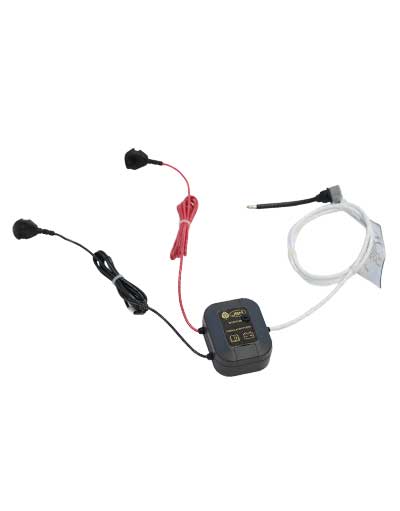
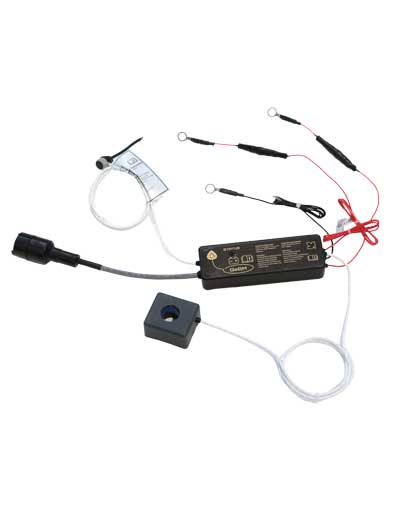
By using intelligent charging systems and monitoring modules that apply precise profiles and track battery health (SoH) across the entire fleet.

For more information,
fill out the form.

    I declare I have read the privacy policy.

    * Required field